
BelugaWatch is an experimental web application I created to track Airbus BelugaXL aircraft as they move between Airbus sites across Europe. It provides a live map, selected aircraft details, nearest arrival information, airport watch tools, Daily Rewind, audio alerts and browser notifications designed for people interested in Beluga spotting, Airbus Broughton wing movements and aviation tracking in general.
On the surface, it is a niche aircraft tracker for a very specific audience. However, the more interesting part of the project is not simply the subject matter, it is the process. BelugaWatch demonstrates how designers, photographers, video producers and other creative professionals can now use coding agents such as Codex to help build interactive tools, web applications and working prototypes without needing software developers.
It is not about pretending coding is suddenly effortless or that human coders are not required, it is that creatives now have access to something closer to their own coding assistant — a robot helper that can do the bit they could not do. At the very least, it can help them understand and assemble the bit that previously stopped the idea becoming real.
From Visual Idea To Working Web App
Designers often think in systems before they think in code – imagining a map interface, a set of movable panels, a clear visual hierarchy, colour-coded aircraft states, notification behaviour, mobile layouts and a quick guide explaining how it all works. The difficulty comes when that idea needs to become functional.
A static mockup can communicate intent, but it cannot track aircraft, update data, trigger notifications, remember selected locations, animate a rewind feature or respond to a user double-clicking a map icon. Traditionally, this is where many personal projects stopped ie the designer could see the idea clearly but lacked the coding ability, time or budget to build it into something interactive. Coding agents change this equation.
With tools such as Codex, the designer can describe the intended behaviour in plain English, test the result, identify what feels wrong, then request refinements. This is very different from asking AI to generate a picture because the output is not just visual content, it is functionality.
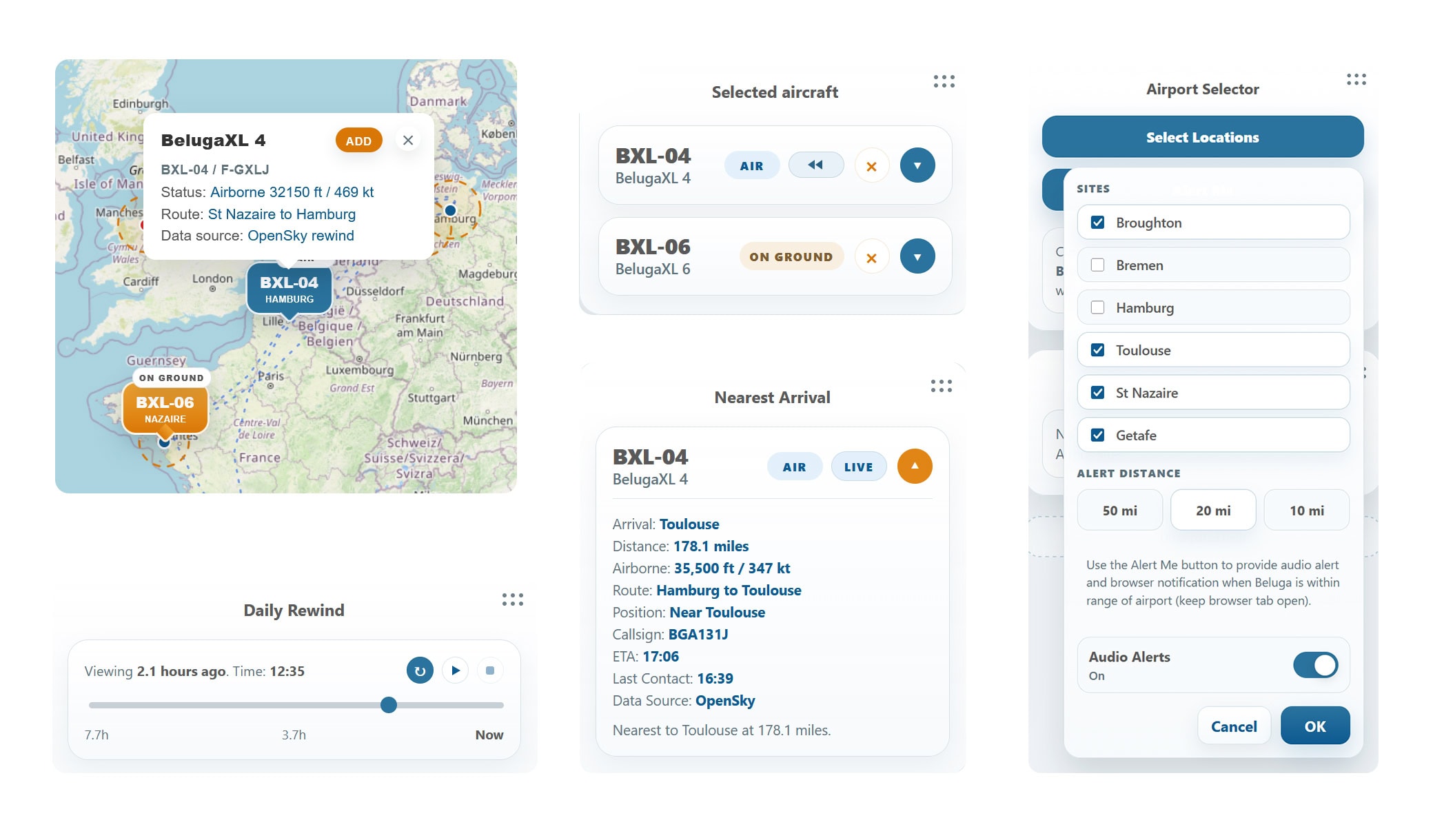
Main features of BelugaWatch web app
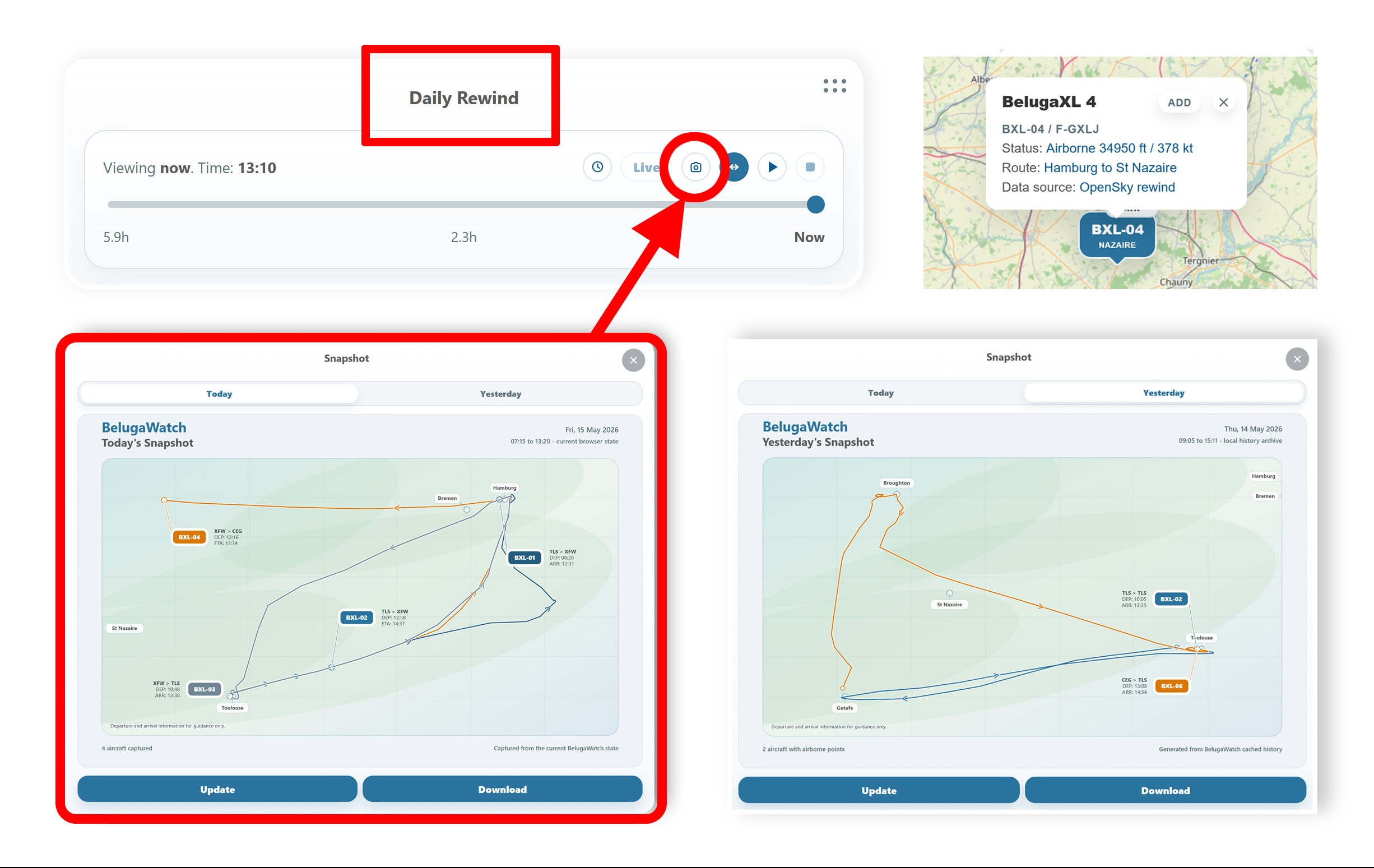
BelugaWatch Snapshop feature.
Why Coding Agents Are Useful
Most creative people have notebooks, sketchbooks, half-finished websites, abandoned side projects and “one day I’ll build this” concepts scattered across their hard drives. The bottleneck is often not the visual idea but the technical bridge between concept and working prototype.
A coding agent can assist with:
- Creating HTML, CSS and JavaScript structure
- Connecting interface elements together
- Fixing layout problems and explaining unfamiliar code
- Refactoring messy experiments and providing debugging errors
- Making components responsive and suggesting simpler approaches
- Turning repeated instructions into reusable workflows
This is useful because many designers understand what they want, but not always how to write the code required to achieve it. With BelugaWatch, the useful lesson is that the creative direction remains human – aircraft theme, visual layout, information hierarchy, labels, explanatory guide, use of cards, map-first interface and overall purpose are design decisions. The agent helps with implementation, but it does not know what matters unless directed. In reality, the designer becomes more like an art director for code.
Coding Robots
The phrase “coding robot” sounds a little flippant, but it describes the experience reasonably well. A designer can create a prompt that says something like:
“Create a panel that shows selected aircraft with badges for air, ground, live data and last-known position” or “Make this map easier to use on mobile by adding a full-screen mode and simplifying the panel layout” or: “Add an alert that notifies the user when a Beluga is within 20 miles of a selected airport.”
AI-generated code can sometimes be overcomplicated or incorrect. It can misunderstand intended behaviour or solve the wrong problem in a technically plausible way. However, for creative experimentation, AI tools still provide a significant advantage – a rough working prototype is much more useful than a polished Photoshop mockup that cannot be tested.
Does AI Create Lazy Designers?
There is a familiar fear that AI tools will flatten creative work, remove skill or encourage low-effort production. That concern is valid when AI is used as a replacement for judgement, but less convincing when used as an assistant for experimentation. BelugaWatch required design judgement because the challenge was not simply to put aircraft icons on a map. It needed to feel legible, direct and purposeful. The user should be able to glance at the map, understand aircraft status, select a location, set an alert and review movement through the day without needing a technical manual.
The Quick Guide exists because interface design does not end with buttons and panels. Users need orientation – web application must communicate what it does, what it cannot do and how to get the best results. This is where creative professionals have an advantage because designers already think about usability, spacing, emphasis, contrast, hierarchy, sequence and visual storytelling. Coding agents can help make the thing work, but it will not automatically make the thing good.
Why This Matters For Freelancers
Freelancers working in video production, photography, graphic design or web design often need to solve unusual problems. Sometimes these problems are too small for a full software project but too specific for off-the-shelf tools.
A client might need a custom product viewer, a booking helper, an internal dashboard or a prototype for a pitch. Previously, a designer might have needed to outsource the entire technical element or avoid suggesting the idea altogether, but now coding agents make it more realistic to experiment. They allow freelancers to create proof-of-concept tools quickly, test ideas, improve their own understanding and approach developers with a clearer brief when professional engineering support is required. This can save time, reduce ambiguity and make creative proposals more ambitious but most importantly, it encourages designers to think beyond static deliverables.

LoopEase and Audio Upscale Lab software box designs.
Developers Are Irreplaceable
It is worth being clear that Codex and similar agents do not remove the need for developers. Complex applications still require human overview on the architecture, security, testing, accessibility, performance optimisation and long-term maintenance. There is a big difference between an experimental aviation tracker and a mission-critical business system. However, not every idea begins as a mission-critical system. Many creative projects begin as sketches, prototypes, tests and experiments. In those early stages, coding agents provide a powerful new bridge between imagination and execution.
The Bigger Creative Opportunity
BelugaWatch began as a niche idea: a simple visual way to follow the Airbus BelugaXL fleet. It expanded into a practical experiment in how designers can use AI coding tools to build something interactive, useful and specific. Coding agents give designers a way to test ideas that were previously prohibited by cost and convenience – that is a meaningful change. BelugaWatch is a small example of this change, but it points toward a much larger opportunity for creative professionals.The future is not simply designers using AI to make images – it is designers using AI to make things work.


